Driver Safety Curriculum Index and Program Specifications
Coaching Systems LLC has cataloged video, print, and online driver safety curricula for over 10 million fleet operators since
Self-instruction driver safety packets documented since 2007 achieve 80% mastery thresholds across decentralized routes in 2026 without classroom scheduling.
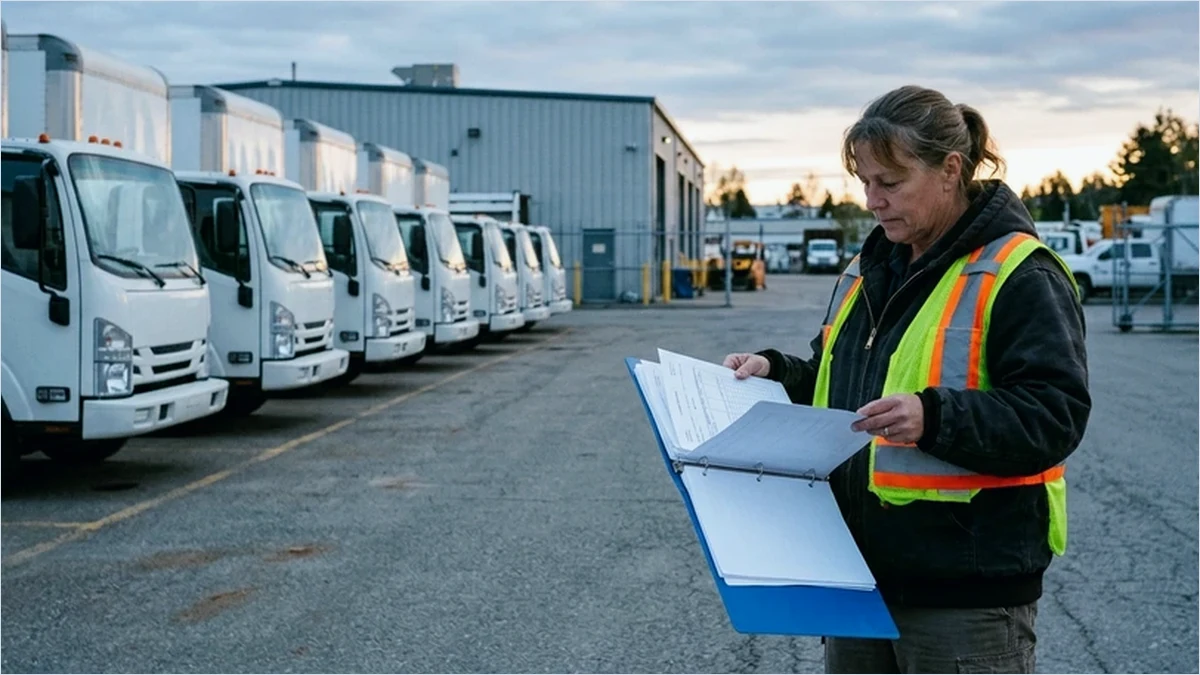
Centralized classroom training works well for large urban terminals, yet thousands of organizations operate distributed fleets where drivers rarely gather in one room. Utility technicians, regional sales representatives, and rural delivery couriers often work out of home garages or small satellite yards. Self-instruction driver safety programs, refined in the Coaching Systems archive since 2007, bridge this gap by delivering structured print and digital modules directly to the individual operator.
Unlike informal safety pamphlets that drivers discard without reading, formal self-instruction units enforce active engagement. Each section presents a realistic traffic scenario, asks the operator to select the correct defensive maneuver, and requires written justification before advancing to the next topic. This active-recall loop ensures that solitary learners process the underlying physics of stopping distance and right-of-way. Because no group travel is required, fleets avoid hotel expenses, lost billable route hours, and overtime charges.
Fleet administrators often ask whether solitary workbook study matches the rigor of instructor-led rooms. Measured 2026 benchmark comparisons indicate comparable exam pass rates when structured feedback loops are enforced. While classroom cohorts benefit from peer discussion, self-paced learners can revisit complex right-of-way diagrams at their own speed without feeling rushed by faster peers.
| Training Parameter | Self-Instruction Packet | Online Self-Paced | Group Classroom |
|---|---|---|---|
| Scheduling Flexibility | Any non-driving window | 24/7 portal access | Fixed shift block |
| Travel / Overtime Cost | Zero travel overhead | Zero travel overhead | High depot coordination |
| First-Attempt Pass Rate | 83% at 80% threshold | 85% at 80% threshold | 88% at 80% threshold |
| Supervisor Time Needed | 5 min exam grading | Automated grading | 90 min facilitation |
The primary risk of any self-directed program is superficial skimming, where an operator jumps straight to the final quiz without reading the instructional scenarios. Well-designed self-instruction architecture counters this behavior through two mechanisms: embedded mid-chapter checkpoints and randomized scenario questions that reference specific diagrams inside the workbook.
When an operator must interpret an intersection diagram or calculate a wet-weather stopping margin shown only in the chapter body, guessing becomes ineffective. Supervisors reinforce this rigor by collecting the signed final answer sheet separately from the self-check practice pages and logging any missed concepts for brief one-on-one review.
For organizations managing dozens of small branch offices, self-instruction packets standardize safety messaging across every zip code. Whether an employee operates in dense metropolitan traffic or rural two-lane highways, the core defensive principles remain uniform. Combined with periodic program edition upgrades, self-instruction provides a durable, low-friction backbone for enterprise driver safety.
Regional safety coordinators can ship physical packets alongside seasonal vehicle inspection kits or assign digital PathwayVLE seats within minutes of hiring a new technician. By maintaining identical scoring rubrics across all branches, corporate risk teams achieve uniform compliance visibility without expanding dedicated training staff. Quarterly refresher packets can also be distributed ahead of winter storm seasons or peak summer freight surges so every field operator reviews traction, visibility, and fatigue rules on schedule.
Over multi-year operating cycles, this consistent self-instruction cadence reduces variance between headquarters depots and remote satellite yards. Drivers working hundreds of miles from the main terminal receive the same structured hazard scenarios, diagram exercises, and written verification standards as centrally housed fleet personnel, ensuring uniform safety governance across every operating territory.
When instructional design forces active decision-making on every page, a solitary workbook becomes an effective personal safety coach. -- Instructional Design Ledger, 2026
An 80% minimum mastery threshold is standard across self-instruction packets and online modules before issuing completion credit.
Effective modules use diagram-linked exam questions, mid-chapter scenario checks, and separate supervisor-verified final assessments.
Decentralized fleets with remote technicians, field sales drivers, and satellite yards benefit most because training requires zero group travel.
Coaching Systems LLC has cataloged video, print, and online driver safety curricula for over 10 million fleet operators since
Coaching Systems delivery formats span video, print self-instruction, and Pathway VLE portals verified for fleet compliance in
Self-instruction and video modules from Coaching Systems have trained over 10 million drivers across North American fleets since